
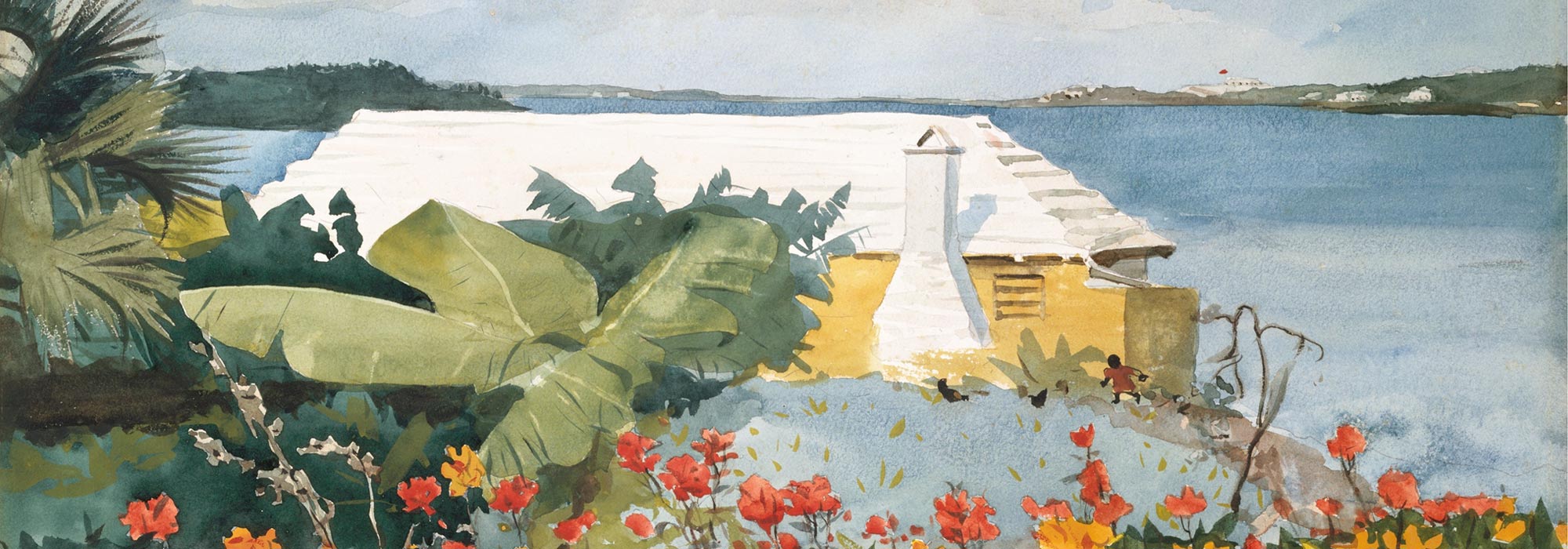
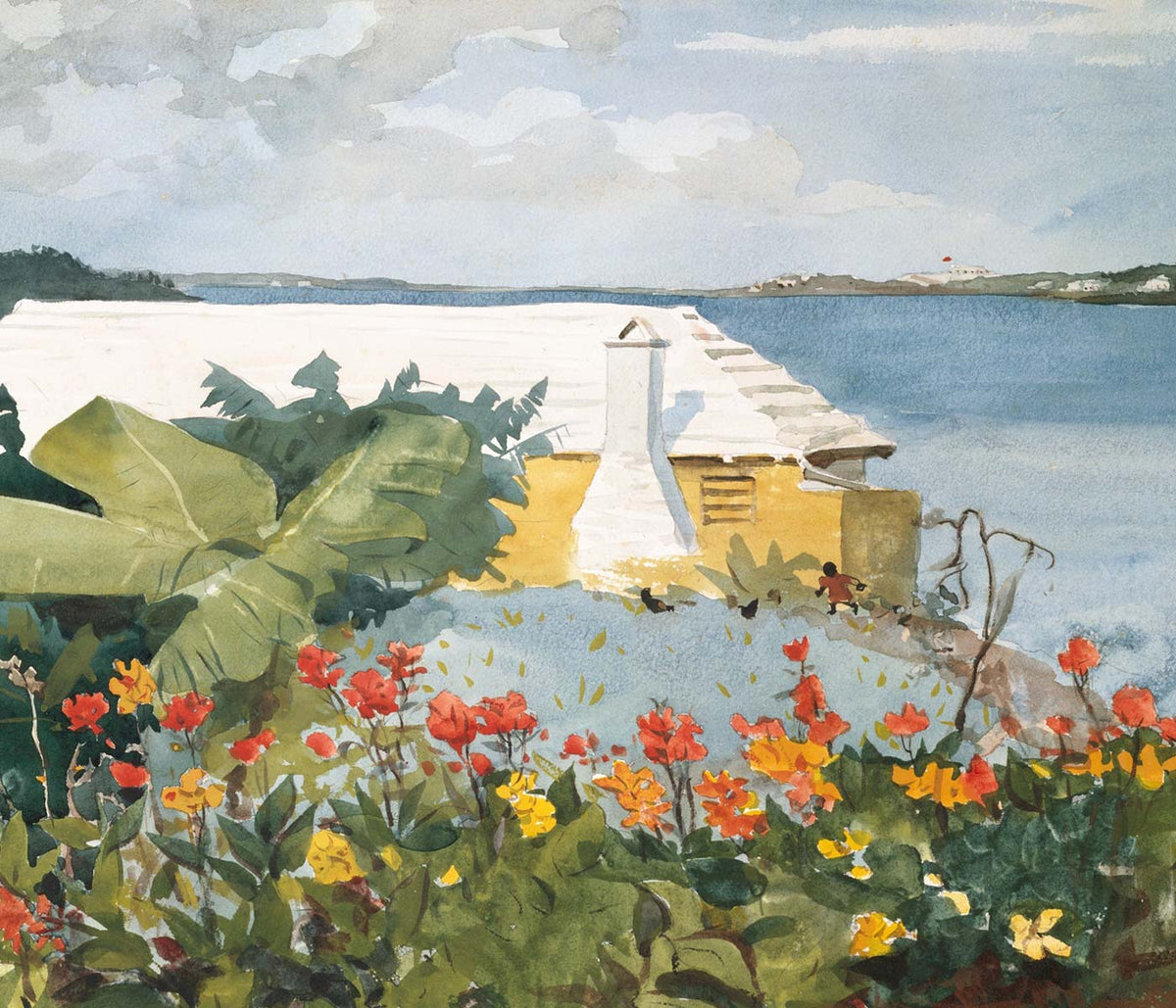









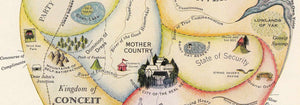

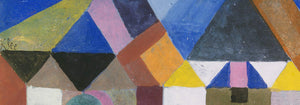
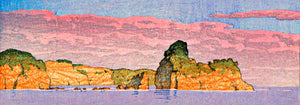
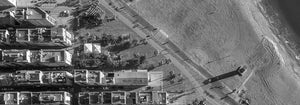






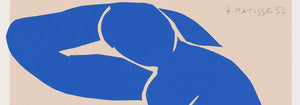


- Bird passing through a Cloud Poster
- Woman and Bird at Night Poster
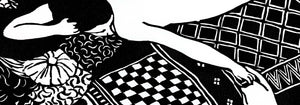
- La Paresse Poster
- Joyful Mountain Poster
- Head of a Woman Poster
- Early Autumn in Urayasu Poster
- Japanese Art Poster
- Lisbon Tramway 28 Poster
- Alfama Poster
- Lisbon Old City 1 Poster
- Lisbon Old City 2 Poster
- Black Leopard Poster
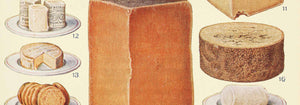
- Atlas of the Munsell color system Poster
- Voyage autour du monde 8 Poster
- Antique map of Barcelone Poster
- Real Club de Barcelona Poster
- Yoshino Poster
- Ryoson Poster
- Tomoe no yuki Poster
- Collection of leaves Poster
- Mount Fuji Poster
- London Underground Transport Poster
- Design for Dunhall Restaurant Poster
- Tsuru Poster
- Amaryllis Poster
- Green Botanical pattern Poster
- Iceland Political Map Poster
- Der Blaue Reiter Poster
- Climatic Chart of the World Poster
Why horizontal changes the room
Horizontal posters carry the quiet authority of a horizon line. The wide format slows the eye, letting an image unfold left to right rather than confronting you head-on. Historically, this proportion echoes travel panoramas, street-level placards, and cinema lobby displays, where distance and pacing mattered. In domestic spaces, a horizontal poster or art print reads as architectural: it extends a wall, ties furniture into one line, and makes negative space feel intentional. For a broader view of wide-format wall art across styles, it often sits naturally beside Landscape scenes or the crisp geometry found in Abstract work.
How wide-format images are built
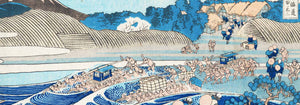
Wide compositions are engineered for balance. Designers distribute visual weight across corners and edges, using typography, a single bold motif, or a band of color to keep the center breathing. Early twentieth-century advertising posters leaned on lithography, where flat color areas and simplified shapes held up at a glance; see related approaches in Advertising. Photographic panoramas solve the same problem differently, guiding attention with lateral light and repeating forms. In Japanese print traditions, the scene is often cropped like a camera, turning bridges, waves, and streetlamps into sequences. A strong example of this lateral rhythm is Kawase Hasui’s Shiba Zoshigaya, where night tones and architecture lead the gaze in measured steps rather than a single focal hit.
Where horizontal wall art works best
In interiors, a horizontal print is most convincing where the room already draws a long line: above a sofa, headboard, sideboard, or a pair of bookcases. If the space is built on warm timber, linen, and chalky paint, choose vintage posters with softened inks and sandy grounds; for cooler rooms, higher contrast can sharpen the structure, especially from Black & White pieces. Minimal rooms benefit from a deliberate pause, which is why Minimalist images often work well in this format. Hang the bottom edge roughly 15–20 cm above the furniture, and aim for a width near two-thirds of what sits below to keep proportions calm.
Curating a gallery wall with an anchor piece
A horizontal poster can act as the anchor of a gallery wall, establishing a baseline that other frames respond to. Pair it with two narrower works from Vertical Posters to make a gentle triptych, or place a small photograph above it to add a second register without competing for width; Photo often provides that quieter, tonal counterpoint. Framing is especially noticeable on wide rectangles: a slim profile keeps the image expansive, while a deeper moulding adds gravity in rooms with heavy textiles. If you prefer a relaxed, modern edge, a magnetic option can suit wide prints; see Magnetic Frame. For a classic, architectural finish, Classic Frame reinforces the long line without over-decorating it.
A wide rectangle as visual pacing
The real advantage of horizontal wall art is pacing. It edits visual noise by connecting separate objects into one composed view: lamp, vase, books, then the image above, all sharing a single rhythm. A good horizontal vintage poster can soften a tall wall by introducing a low, steady beat; in a narrow corridor it can lengthen perspective and make transitions between rooms feel deliberate. Even when the subject is not a landscape, the format encourages long shadows, roomy skies, and extended patterns. In that sense, choosing a wide print is less about filling a space and more about deciding how you want a room to move.